
Most marketers who claim they know how to find competitor ad funnels are doing something much smaller.
They open a competitor’s Facebook ads, screenshot a headline, argue about the hook, then move on.
That is not competitor research. It is pattern-matching with no context.
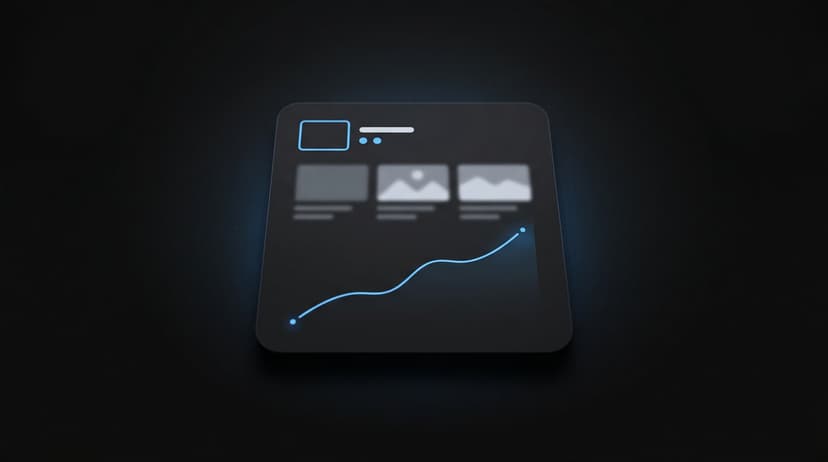
A single ad tells you almost nothing. You are looking at one frame from a longer sequence. The real leverage comes from figuring out what happens before the click, after the click, and two days later when the same person sees a different message.
That is the funnel.
If you want to understand why a campaign works, you need the whole thing: the ad, the landing page, the retargeting sequence, the email flow, the offer structure.
Once you can see that system, you stop copying random ads and start finding ideas worth testing.
And in Facebook ads, testing speed is the only advantage that lasts.
Why Single Ads Don’t Tell You Anything
Most marketing teams have the same bad habit.
Someone opens the Meta Ad Library. They drop a competitor ad into Slack. Everyone debates the first three seconds of the video or the headline.
Meanwhile, the part that probably drove the sale never gets discussed.
The ad is rarely the reason the campaign worked.
The sequence is.
A top-of-funnel video might exist for one reason: cheap clicks. The landing page collects an email instead of pushing for a sale. Then the prospect gets hit with a testimonial ad, a comparison ad, and a limited-time offer over the next week.
If you only study the first ad, you miss the actual strategy.
It is like watching a movie trailer and pretending you understand the plot.
According to Nielsen, creative quality accounts for up to 56% of a campaign’s sales lift, but that performance only materializes when the creative is supported by the right downstream experience (Nielsen Marketing Mix Report, 2023).
People misread that stat. They assume the ad is everything.
It is not.
Creative only works inside a system. A strong ad with a weak landing page usually fails. A decent ad with strong follow-up often wins.
That matters even more when you consider scale. Meta reported over 3.19 billion daily active users across its platforms in 2024, which means competition is not about single messages—it is about message sequences (Meta Earnings Report, Q4 2024).
That is why most competitor research goes nowhere.
Teams study fragments. They should be studying systems.
If you want a deeper breakdown of that mistake, read Analyzing Competitor Facebook Ads Is a Waste of Time (Unless You Do This Instead).
The Hidden Layers of Competitor Funnels

Once you stop obsessing over single ads, competitor funnels become easier to read.
Most good funnels have four layers.
First, there is the discovery ad.
This is the piece everyone sees in the ad library. Usually it is a short video, a founder talking to camera, a UGC clip, or a simple static image with a strong promise.
Then comes the landing page.
This is where things get interesting.
The message on the page is often different from the message in the ad. A competitor might run an ad about saving time, then send traffic to a page built entirely around saving money.
That shift is not random. It usually tells you what objection they think matters most.
Third comes retargeting.
Click the ad and do nothing. Wait a day or two.
Now watch what shows up.
You will often see testimonials, comparisons, discounts, or founder narratives. This is where the real selling happens.
Fourth is everything that happens off-platform.
Email sequences. SMS reminders. Webinar invites.
Some brands generate more revenue from email than from the original Facebook ads click.
You do not understand the funnel until you map all four layers.
That is the real answer to how to find competitor ad funnels.
You do not look for one ad. You trigger the entire sequence.
Click the ad. Visit the landing page. Enter an email. Stay in the retargeting pool. Document timing and messaging.
This is tedious work.
It is also where the insight is.
If a competitor repeats the same promise across five touchpoints, that promise is probably working.
If retargeting suddenly shifts to testimonials, you just found the friction point.
Those are signals.
And signals turn into tests.
Competitor Comparison: Hunch vs Paragone vs Smartly.io
Most tools in this category claim they help you understand competitors.
They do not.
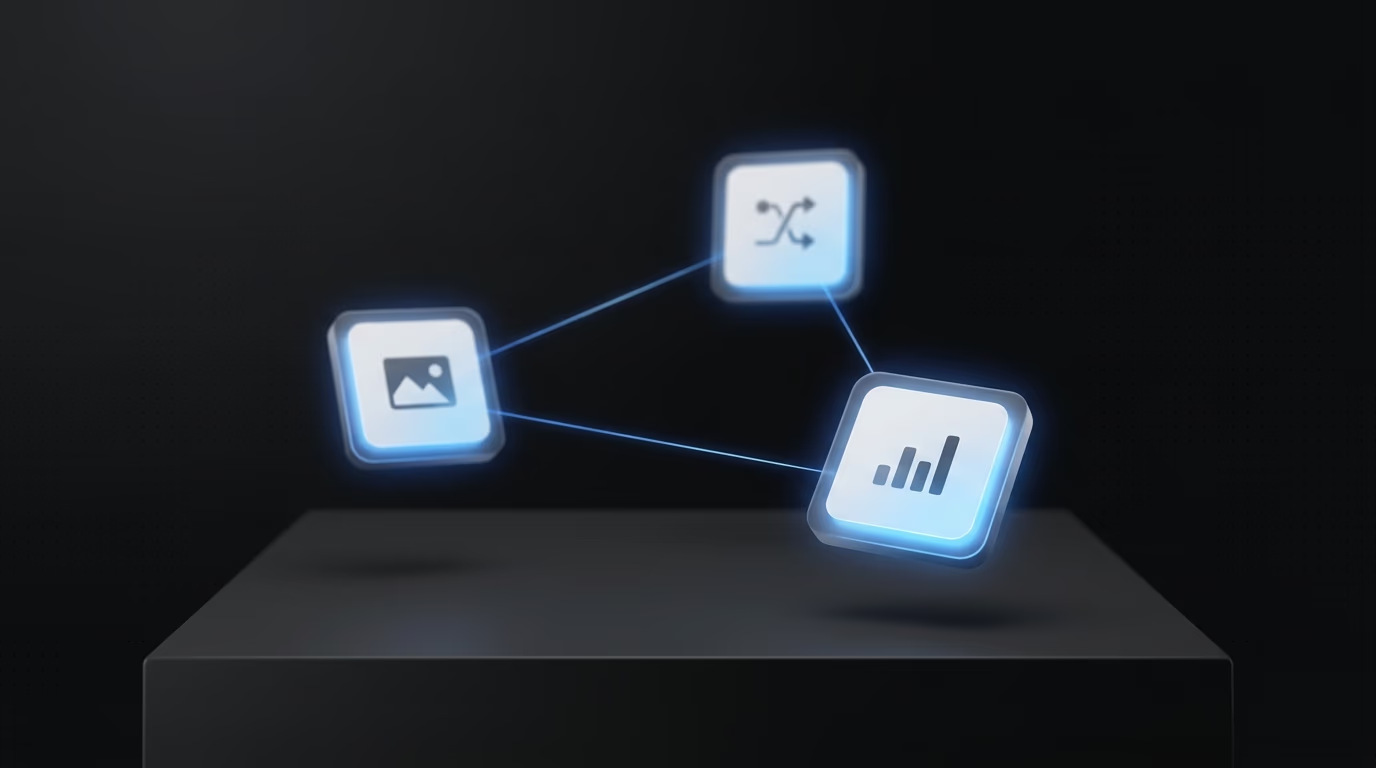
They help you execute faster after you already understand what to test.
Hunch focuses on creative production at scale. If you already have a validated angle, it can generate variations quickly.
But it does not help reconstruct competitor funnels. It accelerates output, not discovery.
Paragone is built around analytics aggregation. It helps unify performance data across channels.
Useful for internal insights.
But it cannot map a competitor’s landing pages, retargeting logic, or email flows.
Smartly.io is built for large-scale execution. Automation, dynamic creative, budget control.
It is powerful when you are spending heavily.
But like the others, it assumes you already know what works.
None of these tools solve the core problem: understanding the system behind a competitor’s success.
That is why manual funnel reconstruction still matters.
Once you do that work, tools become multipliers.
For example, after mapping a funnel, you can use a Facebook ads uploader workflow to launch dozens of variations quickly instead of building ads one by one.
This is where platforms like Instrumnt come in.
Instrumnt is not about discovery. It is about turning insight into execution at scale.
That distinction matters.
Research first. Automation second.
Step-by-Step Funnel Mapping for Actionable Insights
Here is the actual process most high-performing teams use.
Step 1: Identify active ads
Use the Meta Ad Library to find competitors running consistently. Longevity usually signals performance.
Step 2: Click through
Visit the landing page. Analyze structure, messaging, and conversion flow.
Step 3: Enter the funnel
Submit an email. Trigger follow-ups. This unlocks the backend.
Step 4: Track retargeting
Wait 48–72 hours. Monitor what ads appear next.
Step 5: Document everything
Capture screenshots, timing, messaging shifts.
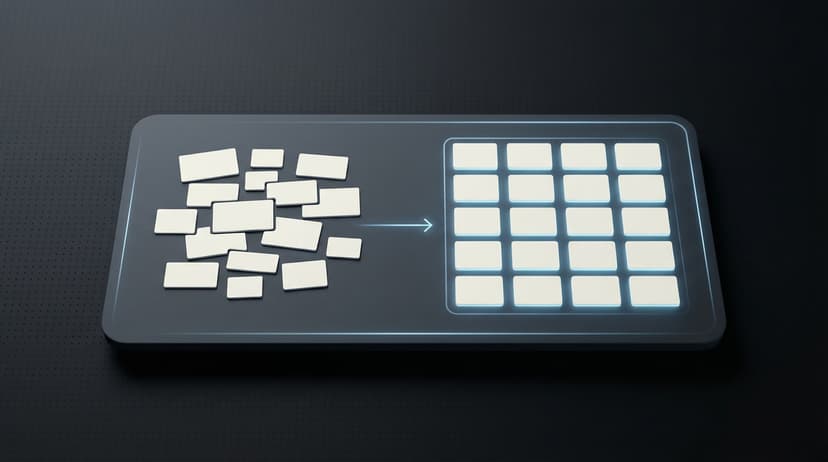
Step 6: Extract patterns
Look for repeated angles, objections, and offers.
Step 7: Turn patterns into tests
This is where most teams fail.
They collect data but never operationalize it.
If you want to go deeper into execution, read How One Team Extracted Competitor Funnels and Turned Them Into a Scalable Facebook Ads Engine.
Integrating AI and Claude Code to Speed Up Funnel Insights
This is where things change.
Manual research is slow.
Execution does not have to be.
Once you extract patterns, AI becomes useful.
Instead of asking AI to write generic ads, you feed it structured insights.
Example:
- Input: competitor emphasizes “save 10 hours per week” across funnel
- AI output: 15 variations of that promise across different tones and formats
Claude Code can take this further by structuring outputs into usable formats for bulk uploads.
Now you are not just generating ideas.
You are generating ready-to-launch assets.
Pair that with a Facebook ads uploader workflow and you remove the biggest bottleneck: setup time.
Manual ad creation takes 15–30 minutes per variation.
At scale, that kills velocity.
Automation compresses that to minutes.
That is how insight turns into speed.
If you want to see how this fits into a broader system, read How to Build a Facebook Ads Bulk Testing System with Instrumnt and Claude Code.
Using Funnel Insights to Drive Faster Creative Testing
This is where most teams fall apart.
They do the research.
They never execute.
Research without output is wasted effort.
The goal is not to understand competitors.
The goal is to out-test them.
In most Facebook ads accounts, only 5–10% of creatives become winners.
That means your advantage is not brilliance.
It is volume.
If competitor analysis gives you three strong insights, you should turn that into 30+ variations.
That is where systems matter.
AI generates ideas.
Claude Code structures them.
Instrumnt and Facebook ads uploader workflows launch them.
Now you are not guessing.
You are testing at scale.
Meta has reported that advertisers running multiple creative variations per audience see more stable performance and lower acquisition costs due to improved signal diversity (Meta Performance Best Practices, 2024).
More variations → more signal.
More signal → better optimization.
That is the real payoff from learning how to find competitor ad funnels.
What Smart Teams Do Instead
The best teams do three things consistently.
First, they map full funnels.
Second, they turn observations into hypotheses.
Third, they execute faster than everyone else.
That last part is everything.
The market does not reward insight.
It rewards speed.
Modern Facebook ads systems favor teams that generate more creative, faster, across more angles.
That means the real question is not whether you know how to find competitor ad funnels.
The real question is what you do next.
If you are still analyzing single ads, you are guessing.
If you are mapping funnels and launching variations at scale, you are building an advantage.
Common questions about how to find competitor ad funnels
What exactly is a Facebook ad funnel and why does it matter?
A Facebook ad funnel is the sequence of touchpoints a user experiences from first impression to conversion, including ads, landing pages, retargeting, and follow-ups. It matters because performance depends on how these pieces work together—not individually.
How can AI help map competitor ad funnels faster?
AI does not replace manual discovery, but it accelerates analysis and execution. Once you identify patterns, AI can generate variations, summarize insights, and prepare assets for bulk launch workflows.
What tools and workflows are best for extracting multi-layer funnel insights?
Manual research combined with structured workflows works best. Use the Meta Ad Library for discovery, track retargeting manually, then use AI, Claude Code, and a Facebook ads uploader system to turn insights into scalable tests.
For more context, see Meta Ads Guide.
For more context, see Meta Blueprint.
For more context, see Meta for Business Help Center.